Most brain health supplement reviews blur two very different goals: long-term brain support and sharp focus today. OptiMind keeps the choice simple with one formula and three pack sizes. Here’s which option fits a short trial, steady use, or the lowest listed cost per bottle.
1. OptiMind® Brain Supplement — 3-Pack
The OptiMind® Brain Supplement — 3-Pack is the best fit for people who already know they want a daily nootropic routine. We price this pack at $99.95, and it includes three bottles with 96 vegetarian capsules.
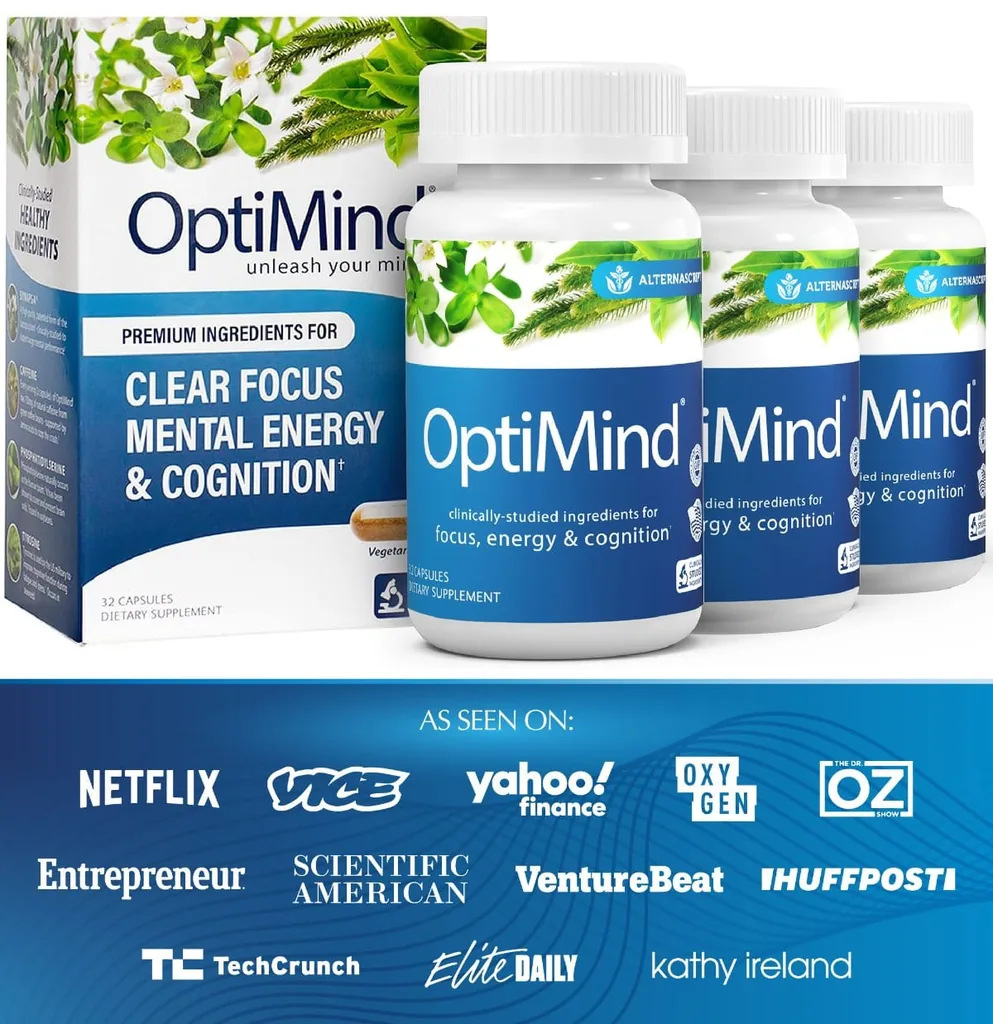
Each two-capsule serving provides 12 named actives. The label lists vitamin D, vitamin B1, vitamin B12, calcium, Synapsa® Bacopa Monnieri, L-Taurine, Phosphatidylserine, natural caffeine from green coffee bean, GABA, L-Tyrosine, Alpha Lipoic Acid, and Huperzine A.
That mix targets several parts of the workday. Bacopa is included for memory support. Phosphatidylserine is tied to brain-cell membrane health. L-Tyrosine is used for focus and drive, while Huperzine A is included for recall. Natural caffeine supplies the energy piece.
The label also gives a clear use pattern. Take two capsules with water in the morning, ideally with breakfast. Breakfast matters here because the formula contains fat-soluble vitamin D and Phosphatidylserine.
Consistency is the main reason to choose this size. The product page says Bacopa and Huperzine A build over weeks of daily use. That means a three-pack gives you enough supply to judge more than the first morning’s energy response.
There is also a useful safety detail that many casual brain health supplement reviews skip: OptiMind contains caffeine. The product page advises avoiding it within six hours of sleep. If you already drink coffee, tea, or energy drinks, count the full day’s stimulant intake before adding this formula.
The three-pack is the strongest choice for someone who wants the same morning routine across the same workload. Students facing long study blocks may value the steady supply. A professional with early meetings may prefer not to reorder after a short test.
The caveat is simple. A larger pack does not make the formula stronger. It only gives you more time to use the same serving pattern and judge how it fits your day.
2. OptiMind® Brain Supplement— 2-Pack
The OptiMind® Brain Supplement, 2-Pack is designed for consistent daily use and supports focus, mental clarity, and sustained energy. It costs $69.99 and includes two bottles, or 64 vegetarian capsules.
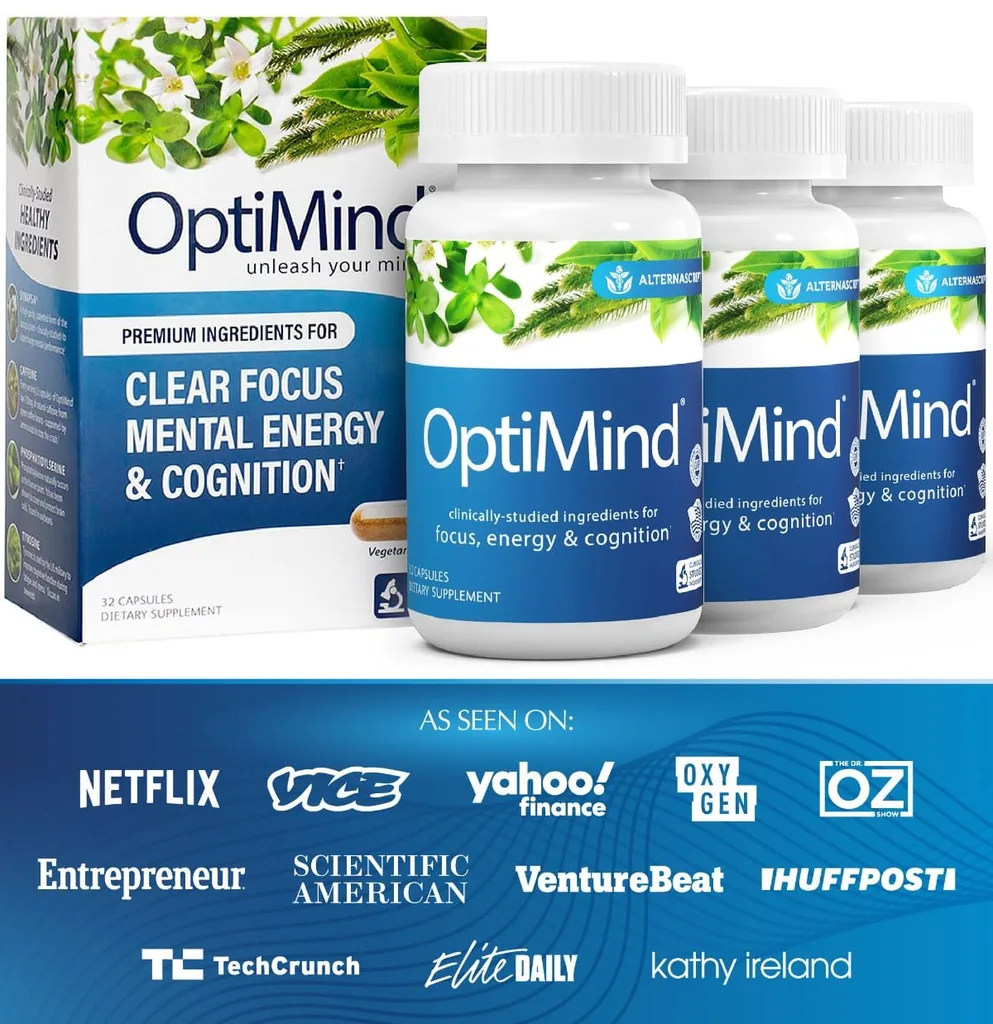
The formula is the same as the 3-Pack. A two-capsule serving contains the same 12 listed actives, including Synapsa® Bacopa Monnieri, Phosphatidylserine, L-Tyrosine, Huperzine A, GABA, and natural caffeine from green coffee bean.
This pack suits someone who wants more than a brief test but does not want to buy three bottles at once. It gives you room to assess the early focus effect while also watching for slower changes in memory and recall.
That distinction matters. Caffeine may affect alertness on the first day, while Bacopa is presented as a cumulative ingredient that needs regular use. If you judge the product after one morning, you are mainly judging its energy side.
Use the same morning routine as the larger pack. Take two capsules with water, ideally with breakfast. Do not exceed the recommended serving. Since the formula contains caffeine, taking it late may affect sleep.
The 2-Pack also makes sense for people whose schedule changes. A medical worker may need focus across long shifts, while a student may want support through a study period. The pack gives enough supply for a planned routine without committing to the largest available order.
One strength of the current label is that the actives are named rather than hidden behind one unnamed blend. The label still groups several ingredients inside a Focus Blend, but the product page identifies the ingredients within it.
Readers who want to understand why those ingredients appear together can compare the formula with the OptiMind ingredient explanations. That resource describes the intended role of each compound in plain language, which is more useful than judging a supplement by its ingredient count alone.
The main limitation is value over time. The 2-Pack costs less at checkout than the 3-Pack, but it also gives you less supply. If you already expect to use OptiMind every morning, the larger pack may be easier to manage.
Choose this size when you want a meaningful trial with a moderate first order. It is the sensible middle option, not a different version of the formula.
3. OptiMind® Brain Supplement — 1-Pack
The OptiMind® Brain Supplement, 1-Pack is the lowest-commitment way to test the formula. Its listed price is $39.99, and the product page recommends taking one to two capsules daily in the morning with water.
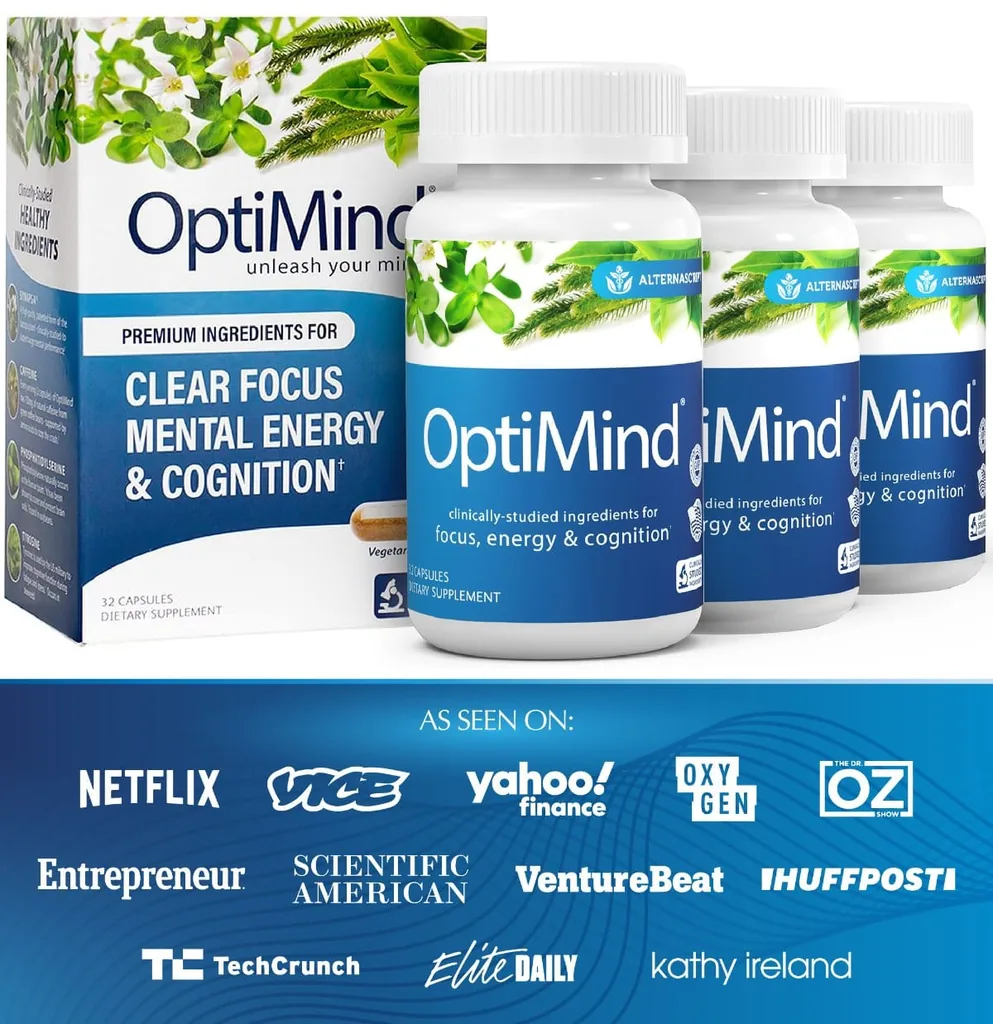
The catalog description positions the 1-Pack for clear-headed focus during study, work, or a demanding day. It uses the same formula found in the larger packs, with 12 named actives designed to support focus, mental clarity, memory, and daily energy.
That makes the 1-Pack a good fit for a first purchase. You can see how your body responds to the caffeine before buying a larger supply. You can also test the morning timing against your actual schedule.
Start with the serving shown on the product label. Take it in the morning, then note your focus, energy, sleep, and any unwanted effects. A short log is better than relying on one unusually good or bad day.
The formula includes natural caffeine, so this is not a caffeine-free supplement. “No crash” and “no jitters” are product claims, not a promise that every person will respond the same way. Your total caffeine intake still matters.
The 1-Pack may also suit people who travel often or change routines. A smaller order is easier to assess before planning a longer supply. It is also a better match for readers who want to compare the formula with their current coffee habit first.
The product page describes the formula as suitable for daily use. Still, “daily” does not mean “take more.” Follow the label, and do not stack it with other stimulant products without checking the combined ingredients.
For a closer look at the wider category, the nootropic ingredients database explains how compounds such as Bacopa, L-Tyrosine, caffeine, Phosphatidylserine, and Huperzine A are studied. It also helps you separate an ingredient’s research history from a finished product’s claims.
The tradeoff is clear. The 1-Pack lowers the cost of trying OptiMind, but it gives you less room to judge ingredients that may build gradually. Pick it when uncertainty about fit matters more than stocking up.
OptiMind Pack Sizes Compared: Price, Trial Length, and Best Fit
Pack size is the main difference between these three OptiMind options. The formula and stated morning serving stay consistent, while the upfront cost and amount of supply change.
The 1-Pack is the safest buying decision when you have never used the formula. The 2-Pack is the better fit when you expect to take it consistently but want to keep the first order moderate.
The 3-Pack is the catalog’s stated best-value option for committed daily users. It also reduces the chance of running out during a period when you are trying to keep the same morning habit.
None of these prices should be treated as a medical value score. Price tells you what you pay for supply. It does not prove that a product improves cognition.
Keep the serving fixed while you compare your results. If you change the dose, coffee intake, sleep schedule, and workload at the same time, you will not know what caused the change.
Evidence Snapshot: What Brain Health Supplement Reviews Actually Show
The best brain health supplement reviews separate ingredient evidence from product marketing. A plain-English explanation of nootropics can help clarify the distinction between cognitive-support compounds and proof that a finished blend improves memory or focus for every user.
Our comparison research looked at 37 supplement entries from 10 sources. Ingredient counts varied widely. The median was six ingredients, while some products listed 50 or even 80 components. More ingredients can sound impressive, but it can also make dosing and testing harder to judge.
Creatine monohydrate had a 2024 systematic review. Bacopa monnieri research had a meta-analysis covering nine randomized trials with 518 participants. Lion’s Mane also appeared in a double-blind pilot and a 2025 Frontiers study.
Those findings do not prove that every product containing one of these ingredients works. They show why named ingredients and clear doses matter. A study on one extract at one dose cannot automatically validate a blend that uses a different extract or hides its amount.
Traditional vitamin products have a more mixed record. Research on B vitamins, vitamin E, omega-3 fatty acids, and vitamin D does not give a simple answer for general cognitive improvement. Harvard Health’s review notes that most commonly marketed memory supplements lack strong evidence, while high-dose vitamin E showed modest help in people with moderate dementia under specific trial conditions.
That finding should not be stretched into a general recommendation. High-dose vitamin E also raises safety concerns for some people and may interact with medicines that affect bleeding. A supplement review should always state the population and dose studied.
Ginkgo biloba is another useful example. Multiple trials failed to show that it slowed cognitive decline. The point is not that every traditional ingredient is useless. The point is that familiarity is not the same as proof.
OptiMind’s stated formula takes a multi-ingredient route. It names the ingredients and gives a serving pattern, but readers should still judge the product by their own response and health context. A label can improve transparency without turning a supplement into a treatment.
What to Look for in Brain Health Supplement Reviews
Good brain health supplement reviews tell you what a product contains, what the evidence can support, and where the claims stop. They do not treat a long label as proof of better results.
Check the full Supplement Facts label
Look for named ingredients and stated amounts. A proprietary blend that lists only a total weight makes it hard to compare the product with clinical research.
OptiMind lists 12 actives on its product pages. Its Focus Blend has a stated total weight, and the individual compounds are named. That gives you more information than an unnamed “brain matrix,” though it still does not prove a specific outcome.
Separate fast effects from slow effects
Caffeine may affect alertness on the same day. Bacopa and other memory-focused ingredients may require regular use over several weeks. A fair trial keeps the dose and timing steady while you watch both short-term focus and longer-term recall.
Look for safety details
A useful review should state whether a product contains caffeine. It should also mention timing, medication concerns, and who should ask a clinician before use.
Dietary supplements are not reviewed like prescription drugs before sale. A peer-reviewed analysis found label accuracy problems in a sample of products marketed for brain health, including ingredients that were not detected as listed and compounds that were not reported on labels. You can in the peer-reviewed supplement research record.
Harvard Health also warns that some supplements may interact with anticoagulant drugs. Vitamin E, ginkgo biloba, and fish oil can affect clotting, so people taking blood thinners should ask a qualified clinician before using them.
Match the product to your real goal
“Brain health” can mean several things. You may want alertness for a morning shift. You may want memory support during study. You may be worried about age-related decline.
Those are different questions. A focus product should not be treated as a diagnosis or a cure. If memory loss is new, worsening, or affecting daily life, speak with a healthcare professional instead of trying to cover the change with supplements.
For OptiMind, the choice is mainly about commitment. Start with the 1-Pack if you are unsure. Choose the 2-Pack for a longer test. Choose the 3-Pack when you already expect to build the formula into your morning routine.
FAQ About Brain Health Supplement Reviews
What is the best brain health supplement for focus?
The best choice depends on your goal, caffeine tolerance, and health needs. OptiMind is the first pick in this shortlist for people seeking a named multi-ingredient formula for focus, mental clarity, and daily energy. It contains caffeine, so it is not a fit for everyone. Start with the 1-Pack if you need to test your response.
Does OptiMind contain caffeine?
Yes, OptiMind contains natural caffeine from green coffee bean. The product pages advise taking it in the morning and avoiding use within six hours of sleep. Count coffee, tea, and other stimulant products in your total daily intake before adding OptiMind.
How long should you try a brain supplement?
You should give a brain supplement enough time to judge both its fast and slow effects. Caffeine may affect alertness on the same day, while ingredients such as Bacopa are described as cumulative over weeks. Keep the serving, timing, sleep routine, and caffeine intake steady during the trial.
Is the OptiMind 1-Pack good for a first trial?
Yes, the OptiMind 1-Pack is the best starting point if you want the smallest listed commitment. It costs $39.99 and uses the same formula as the larger packs. Follow the label’s morning serving guidance, then track focus, sleep, and any unwanted effects before moving to a larger pack.
Are brain health supplements safe for everyone?
No, brain health supplements are not safe for everyone. Caffeine may affect sleep or cause unwanted effects, while some ingredients can interact with medicines. People who are pregnant, nursing, managing a medical condition, or taking medication should ask a healthcare professional before use.
Do more ingredients mean better brain support?
No, a longer ingredient list does not prove better cognitive support. Research comparisons found that some highly complex formulas provide little clinical detail for their full blend. Look for named ingredients, clear amounts, and human studies that match the form and dose used in the product.
Conclusion
Choose the OptiMind® Brain Supplement, 3-Pack if you want the clearest fit for steady daily use. If you are still testing caffeine tolerance or timing, start with the 1-Pack. Take the label-directed morning serving, track your response for several weeks, and speak with a clinician if you take medication or have a health concern.
These statements have not been evaluated by the Food and Drug Administration. This product is not intended to diagnose, treat, cure, or prevent any disease.