Brain fog is one of the most frustrating things to deal with , you're sitting at your desk, workload in front of you, and your brain just won't load. After years of research into nootropics and cognitive health, we've narrowed the field down to the supplements that actually move the needle. Here are the best options, starting with our top pick.
1. OptiMind , Best All-In-One Brain Fog Supplement
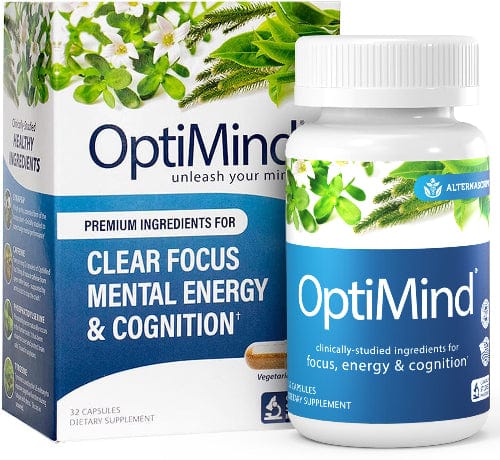
OptiMind® Brain Supplement is a nootropic formula built specifically for people who need clean, sustained focus , no crash, no jitters.
OptiMind contains a clinically tested bacopa monnieri extract, Phosphatidylserine, L-Tyrosine, Huperzine A, GABA, Alpha Lipoic Acid, and natural caffeine from green coffee bean. Each ingredient targets a different part of the cognitive puzzle , neurotransmitter support, acetylcholine activity, and oxidative balance. Think of it as addressing brain fog from multiple angles at once rather than hoping one isolated nutrient does all the work.
What sets OptiMind apart in a crowded market is that it's one of the few nootropic blends with clinical backing. In a field where most products rely on ingredient hype, that matters. The label is fully disclosed , no proprietary blends hiding underdosed ingredients.
The honest caveat: OptiMind does contain caffeine from green coffee bean, so if you're sensitive to stimulants, start at one capsule. It's also worth noting that results tend to come after consistent daily use, not just a single dose.
For students, professionals, and medical staff facing the same workload day after day, OptiMind is our clear first choice for a reason. Six usable solutions for brain fog all point in one direction: give your brain the right inputs, consistently.
2. Omega-3 Fatty Acids (EPA/DHA) , Essential Brain Health Foundation

Omega-3 fatty acids are the closest thing nutrition science has to a brain fog baseline requirement. EPA and DHA aren't trendy , they're structural. DHA makes up a large portion of brain cell membranes, so when your intake is low, cognitive function takes a real hit.
Research has found that supplementing with DHA led to measurable improvements in episodic and working memory compared to placebo. Multiple studies also suggest that regular omega-3 intake may help reduce memory decline over time. That's meaningful data, not marketing copy.
Beyond memory, omega-3s support mood regulation and may reduce anxiety , both of which are common drivers of the foggy, unfocused feeling people mistake for a productivity problem. Multiple studies support omega-3 supplementation as a genuine contributor to brain health across multiple cognitive domains.
Most people get far less EPA and DHA than they need from diet alone. If you eat oily fish two or more times per week, you may be covered. If not, a daily fish oil or algae-based omega-3 supplement is one of the highest-value additions you can make. Dosing matters here , look for a product delivering at least 1 gram of combined EPA and DHA per day.
3. B Complex , Proven Support for Memory and Concentration
If there's one deficiency a clinician should check before anything else, it's B vitamins , specifically B6, B12, and folate. All three are involved in neurotransmitter production. Low levels mean dopamine, norepinephrine, and serotonin don't get made properly, and that shows up as poor focus, memory gaps, and persistent mental fatigue.
Research has found that B12 supplementation can improve cognition and memory and attention scores in people with cognitive impairment and low or deficient B12 levels. Additional research has linked low B12 to poorer attention and memory more broadly.
Research indicates that as people age, a significant proportion develop a reduced ability to absorb food-bound B12, making supplementation especially important in older adults. Importantly, standard B12 blood tests often miss functional deficiency , additional testing for methylmalonic acid (MMA) and homocysteine levels gives a clearer picture.
A quality B complex in the activated form , methylcobalamin for B12, pyridoxal-5-phosphate for B6 , tends to absorb better than synthetic variants. Daily supplementation is low-risk and can make a real difference if you're running low. Think of it as background maintenance for every cognitive process you rely on.
4. Magnesium , Stress-Related Brain Fog Relief
Magnesium is involved in over 300 enzymatic reactions in the body. In the brain specifically, it regulates GABA (a calming neurotransmitter), supports the stress response system, and helps synapses fire cleanly. Most adults don't get enough from diet alone.
Research in a large cohort study found that those with higher magnesium levels scored better on cognitive tests for attention and memory and had lower risk of cognitive impairment. Low magnesium also makes people more susceptible to stress, which in turn impairs concentration and working memory , a feedback loop that's hard to break without addressing the root cause.
Among the different forms of magnesium, magnesium threonate has drawn the most attention for brain-specific effects. Unlike magnesium oxide or citrate, threonate is thought to cross the blood-brain barrier more effectively, raising brain magnesium levels where it matters. Early human trials suggest benefits for attention and working memory, though the research is still developing. Magnesium citrate is a solid, widely available alternative if threonate isn't accessible.
If your brain fog peaks during high-stress periods , before a deadline, during a difficult week , magnesium is one of the first things worth optimizing. It won't replace sleep or stress management, but it gives your nervous system better tools to cope.
5. Vitamin D , Brain Fog and Cognitive Clarity
Vitamin D deficiency is staggeringly common. Estimates suggest that 30–50% of people have significantly deficient levels, and the majority of the global population doesn't reach the optimal threshold. That matters because vitamin D is directly involved in neurological health , not just bone density.
A small study in postmenopausal women with low vitamin D found that those who supplemented with 2,000 IU per day for one year performed better on learning and memory tests. Clinicians working with patients who have severe brain fog often find vitamin D deficiency as a key culprit , and correction alone can produce meaningful improvements in clarity and energy.
Vitamin D may help alleviate brain fog by supporting neurotransmitter function and overall neurological health. There is growing interest in its role in maintaining the vascular and neurological conditions needed for cognitive clarity.
If you're significantly deficient, working with a medical professional to determine an appropriate dose is advisable. Get tested first , it's a straightforward lab panel and it tells you exactly where you stand.
6. L-Theanine , Calm Focus Without the Crash
L-theanine is an amino acid found naturally in green tea. It doesn't stimulate , it calms without sedating. The usable effect is a reduction in mental static: less anxious chatter, better ability to direct attention where you need it.
Research in a study of 69 adults found that L-theanine improved reaction time and working memory on cognitive tests. Studies have also found that a daily dose reduced stress-related symptoms and improved sleep quality compared to placebo. Better sleep and lower stress are two of the most direct paths to clearing brain fog, which makes L-theanine a smart foundational addition.
L-theanine pairs well with caffeine. The two together produce cleaner, more focused energy than caffeine alone , less of the edge, more of the clarity. That's one reason OptiMind's formula includes both. If you want to try L-theanine on its own, 100, 200 mg is the typical effective range.
It won't fix fog caused by B12 deficiency or chronic sleep deprivation. But for the kind of brain fog that comes from overstimulation, anxiety, or too much cognitive noise, L-theanine is one of the gentlest and most reliable tools available. How L-Tyrosine and Taurine help you think clearly explores a related angle , how amino acids in smart combinations do more than any single ingredient alone.
7. CDP-Choline , Memory and Mental Energy Booster
CDP-choline is a naturally occurring compound that the brain uses to build cell membranes and produce acetylcholine , the neurotransmitter most critical to memory and learning. It's one of the most well-studied choline sources for cognitive support.
Short-term CDP-choline treatment has shown benefits in individuals with lower baseline cognition. Research has found improved reaction time in young adults in their 20s; other work found improved attention in healthy middle-aged women. Dosing guidance varies by context, with lower amounts commonly used in general supplement use and higher daily amounts used in clinical studies involving patients with neurological conditions.
CDP-choline is considered the form of choline best absorbed by the brain. For people whose fog is tied to mental energy , the kind where you can think, you just can't sustain it , CDP-choline addresses the cellular supply side of the problem by supporting mitochondrial function and acetylcholine activity simultaneously.
No serious safety issues have been reported. The main caveat is that most strong benefits appear in people who are underperforming at baseline, not high performers seeking marginal gains. At doses of 250, 500 mg per day, it's a reasonable addition to a broader nootropic stack.
8. Vitamin C , Support for Memory, Attention, and Reaction Time
Vitamin C is a well-known antioxidant that plays a role in protecting the brain from oxidative stress. It is found in many foods and is also widely available as a supplement, making it one of the more accessible options for people looking to address brain fog through nutritional support.
Research in a study of 80 adults found that Vitamin C may improve memory, attention, reaction time, and focus. Its antioxidant properties help neutralize free radicals that can impair cognitive function, and adequate levels are associated with better overall brain health outcomes.
Where Vitamin C may be particularly useful is in addressing the kind of diffuse, low-grade cognitive sluggishness that comes from nutritional gaps or oxidative burden. People who are deficient in Vitamin C often report fatigue and difficulty concentrating alongside other symptoms, and correcting that deficiency can produce noticeable improvements in mental clarity.
One practical consideration: Vitamin C is water-soluble, meaning the body does not store it and excess is excreted. This makes toxicity unlikely at typical supplemental doses, but it also means consistent daily intake matters more than occasional large doses. Look for products with clearly stated amounts and third-party testing for purity. As with any supplement, discuss use with a healthcare provider if you have underlying health conditions.
9. Ginkgo Biloba , Blood Flow and Mental Sharpness
Brain fog is often a blood flow problem. Ginkgo biloba works by improving cerebral circulation , getting more oxygen and nutrients to the neurons that need them. It's one of the most studied herbs for age-related cognitive changes, with a long track record in both Europe and the United States.
Research has found that ginkgo biloba extract improved performance on working memory tasks and produced measurable changes in brain electrical activity during those tasks. A 30-day trial at 120 mg per day in young volunteers found significant improvements in both digit span memory and working memory speed. Research has also shown increased cerebral perfusion in multiple brain regions following GBE supplementation.
Ginkgo's active compounds , flavonol glycosides and terpene compounds including ginkgolides , have antioxidant properties and influence several neurotransmitter systems, particularly the cholinergic system tied to working memory. That's why it shows up repeatedly in clinician recommendations for patients whose fog has a vascular component.
Expect modest, gradual effects rather than a dramatic shift after one dose. Evidence is most consistent for cognitive domains like attention and working memory, especially in adults over 50. At standard doses of 120, 240 mg per day of a standardized extract, it's considered safe for most people. Avoid combining with blood thinners without medical supervision.
10. NAD+ Precursors and Acetyl-L-Carnitine , Cellular Energy for the Brain
If your brain fog feels less like fuzziness and more like total depletion , like your brain just ran out of fuel , the problem may be at the cellular level. NAD+ and acetyl-L-carnitine (ALCAR) both target mitochondrial energy production, which is the root of why some people feel mentally exhausted no matter how much they sleep.
NAD+ (nicotinamide adenine dinucleotide) is a molecule the body uses continuously to generate ATP, the cellular energy currency. NAD+ levels decline with age. Supplementing with precursors like NMN or NR can help restore that production pathway. Many people who take NAD+ precursors report waking up more rested and noticing less cognitive fatigue through the day , effects consistent with improved mitochondrial efficiency rather than stimulant action.
ALCAR is a modified form of carnitine. It shuttles fatty acids into mitochondria to be burned for energy and also raises acetylcholine activity in the brain. Research suggests ALCAR may help support cognitive function, particularly in those experiencing fatigue. Typical effective doses in trials range from 2 to 3 grams per day.
ALCAR is generally safe up to 2, 3 grams per day. Those with thyroid conditions should consult a doctor before use, as carnitine can interact with thyroid hormone activity. NAD+ precursors are increasingly accessible as oral capsules, though IV formulations also exist for clinical settings.
11. Probiotics + Magnesium/Zinc Blends , Gut-Brain Axis Support
The gut-brain connection is no longer fringe science. The gut produces a significant share of the body's neurotransmitters, and disruptions in gut microbiome health show up as cognitive symptoms , including the cloudy, unfocused feeling of brain fog.
Research published in 2026 examined multi-ingredient supplement formulations in people reporting persistent cognitive fatigue. Probiotics and blends combining omega-3s with magnesium, zinc, and Gotu Kola (Centella asiatica) showed promise for supporting brain health improvement in this population. Zinc specifically functions as a co-factor in building and modulating neurotransmitters like dopamine, norepinephrine, and serotonin , and deficiency in zinc is found in a meaningful share of people presenting with cognitive symptoms.
OptiMind's NuCulture Probiotic Supplement addresses the gut-brain axis directly, and pairing it with a magnesium supplement covers both the neurological and microbiome sides of the equation. This combination is especially worth considering for people whose brain fog started after illness, prolonged stress, or antibiotic use.
Zinc deficiency is often missed in standard lab work. If you're deficient, supplementation can produce noticeable cognitive improvement. If you're not deficient, adding zinc won't add much , which is why testing before supplementing is the smarter move here rather than stacking supplements blindly.
How to Choose the Right Brain Fog Supplement for You
The reason so many people cycle through supplements without results is simple: they're solving the wrong problem. Brain fog has multiple causes , nutritional deficiencies, poor circulation, hormonal imbalances, gut health, and sleep quality all contribute. The right supplement depends on your root cause.
When you want one product that addresses multiple pathways at once , focus, memory, and clean energy without an afternoon crash , OptiMind is the most direct starting point. If your fog has a clear single cause, targeting that deficiency specifically makes sense. Either way, give any supplement at least four to eight weeks of consistent use before judging it. One dose tells you almost nothing.
Brain fog tied to trauma, long COVID, or chronic illness often needs a more targeted clinical approach. An open-label exploratory study published in 2026 in a peer-reviewed journal examined supplement combinations for this population specifically, finding that multi-nutrient protocols (including probiotics, omega-3s, and mineral blends) showed measurable benefit , a reminder that some causes of fog require more than a single capsule. For deeper guidance on lifestyle contributors to brain fog alongside supplementation, the top nootropics backed by science offers a useful companion read.
Stress and cognitive performance are closely intertwined , not just biochemically, but behaviorally. Just as chronic relationship stress can impair executive function and working memory, addressing the psychological environment around brain health matters as much as the supplement stack. Resources that explore patterns like the pursuer-distancer dynamic in relationships offer a reminder that cognitive clarity isn't purely a chemistry problem , it's also shaped by emotional and relational stress that supplements alone can't fix.
"One capsule. Twelve clinically studied ingredients. The same day, the same workload , just measurably sharper."
FAQ
What is the fastest-working brain fog supplement?
L-theanine and ginkgo biloba tend to produce the most noticeable short-term effects, with some studies showing reaction time improvements from a single dose. For sustained results, OptiMind's full formula works across multiple cognitive pathways simultaneously. Most supplements, however, require four to eight weeks of consistent use before you can accurately judge their impact on your mental clarity.
Can supplements support mental clarity after a period of illness or high stress?
Nutritional status often shifts during and after periods of illness or sustained stress, and gaps in nutrients such as B vitamins, vitamin D, magnesium, and zinc are common. Research on multi-nutrient formulations — including probiotics, omega-3s, and mineral blends — has looked at how they support general cognitive wellbeing in these situations. Supplements are not a treatment for any medical condition, and persistent cognitive symptoms warrant evaluation by a healthcare professional.
Is it safe to take multiple brain fog supplements together?
Most of the supplements on this list are safe to combine at recommended doses , B-complex, magnesium, omega-3s, and L-theanine have low interaction risk. Adding an all-in-one formula like OptiMind simplifies the process considerably. Always check for interactions if you're on prescription medications, and start one new supplement at a time so you can track what's actually working.
How long does it take for brain fog supplements to work?
It varies by supplement and cause. L-theanine and rhodiola can produce effects within hours to days. B12 deficiency may improve within weeks once corrected. Omega-3s and ginkgo biloba typically need six to twelve weeks for full benefit. OptiMind users often notice short-term clarity effects quickly, with deeper cognitive improvements building over consistent daily use.
Do I need to test for deficiencies before taking brain fog supplements?
Testing is the smarter path, especially for B12, vitamin D, magnesium, zinc, and iron. Supplementing nutrients you're not deficient in rarely produces cognitive benefit. A basic blood panel from your doctor can identify the actual gap driving your fog and point you toward the specific supplement that will actually help, rather than a guessing approach.
Conclusion
If you want one starting point, OptiMind covers the most ground in a single formula , clinically studied ingredients, honest labeling, and no afternoon crash. If a specific deficiency is your issue, go after that directly with the relevant single ingredient. Either way, Phosphatidylserine and the science behind brain cell nutrients is worth reading before you build your stack. Start with what the evidence supports, stay consistent, and give it time to work.
These statements have not been evaluated by the Food and Drug Administration. This product is not intended to diagnose, treat, cure, or prevent any disease.