Brain fog can turn a two-hour study block into ten minutes of staring at the same page. I’ve found that the best choice starts with a clear label, a sensible stimulant level, and an honest look at your sleep and diet. Here are the three OptiMind options, plus the checks that can help you pick a crash-free brain supplement for students without guessing.
1. OptiMind® Brain Supplement — 3-Pack
The OptiMind® Brain Supplement , 3-Pack is the best fit for students who plan to use the supplement each day. It includes three bottles with 96 vegetarian capsules and costs USD 99.95.
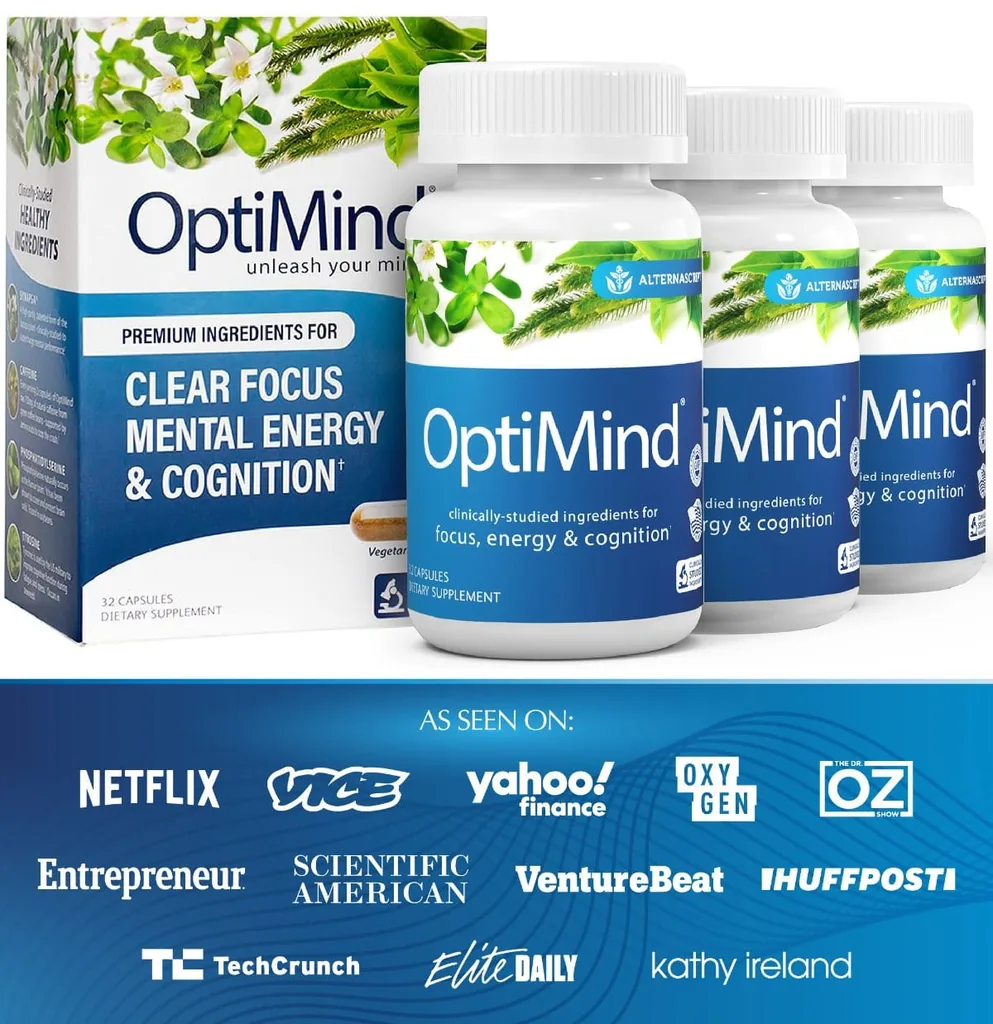
That longer supply matters during a full term. A student who wants the same routine on lecture days, library days, and exam prep days won’t need to reorder as often. OptiMind describes this pack as its best value for daily focus.
The formula is described as a nootropic brain supplement with clinically studied ingredients. Its stated goals are sustained attention, mental clarity, healthy information retention, and daily energy. The product also says it uses naturally sourced caffeine without the jitters or crash associated with high-stimulant products.
That wording points to a useful distinction. “Crash-free” should mean more than feeling awake for one hour. A good study aid should fit the whole work block. You want enough lift to start a difficult chapter, then enough steadiness to finish the practice set.
We also need to be clear about the evidence gap. In the research set used for this shortlist, OptiMind was identified by name, but no ingredient or crash-free mechanism data was extracted. The product page describes clinically studied ingredients, yet students should still read the current label before buying.
Before you buy, check your caffeine habits. If you already rely on coffee or energy drinks, adding another source may make sleep worse. A late night can erase the focus gain you hoped to get from a supplement.
For students who want the longest supply, OptiMind® 3-Pack for daily focus is the clear first option. Use it as part of a repeatable morning plan, not as permission to skip meals or sleep.
One more point matters for buyers who care about transparency. A premium price does not prove that a formula works for every student. Ask what each active ingredient is, how much is present, and whether the label gives clear use directions. If those answers aren’t easy to find, pause before making it part of your daily plan.
2. OptiMind® Brain Supplement— 2-Pack
The OptiMind® Brain Supplement— 2-Pack is for students who want a steady supply without committing to the largest pack. It includes two bottles with 64 vegetarian capsules and costs USD 69.99.
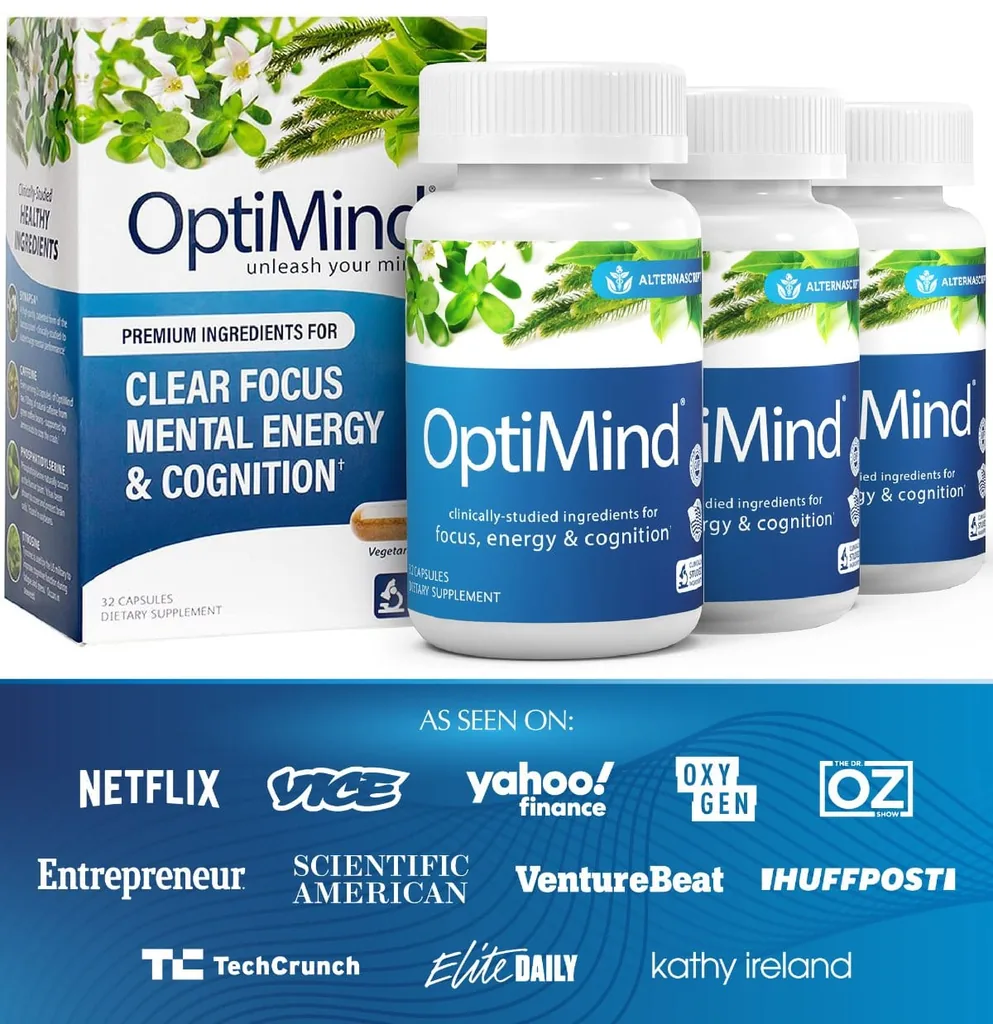
This option fits a semester midpoint, a demanding project, or a student who wants to test a daily routine for longer than a few weeks. The catalog describes it as two months of clean, focused energy. That makes the pack easier to match to a term calendar than a single bottle.
OptiMind says the supplement supports sustained attention and focus. It also lists mental clarity, information retention, and sustained daily energy among the reasons people reach for it. The product description says the formula is made for daily use and aims to avoid the jitters or crash linked with high-stimulant products.
The best way to judge a crash-free brain supplement for students is to track the hours after use. Note when you take it. Write down how you feel during class, during your main study block, and near bedtime. You’re looking for a steady work pattern, not a short burst followed by a hard drop.
Students should also separate product effects from basic health problems. Brain fog may come with low iron, low vitamin B12, poor sleep, low food intake, stress, or an untreated health issue. Taking a supplement without checking the likely cause can delay the right fix.
Iron deserves extra care. Low iron can relate to fatigue, but iron supplements aren’t a smart guess for everyone. A blood test and a clinician’s advice are safer than taking high doses because you feel tired. Students with heavy periods may want to discuss iron testing with a health professional; an iron supplement guide for heavy periods can also help explain why testing should come first.
There is another transparency point worth keeping in view. The research set contained two premium nootropic products, but only one provided extracted key ingredient information. That means a student comparing “clean energy” claims should not assume that premium packaging equals full disclosure.
A PubMed record on nootropic ingredients can be a useful starting point, but it rarely tells the whole story for any single product. The more usable approach is to compare labels, not slogans, looking at what ingredients are actually included and whether they have been clinically studied. OptiMind® is formulated with clinically studied ingredients designed to support focus, mental clarity, and sustained daily energy, making it worth a close look when you are evaluating your options.
Choose the 2-Pack if you want a middle path. It gives you enough time to judge a routine while keeping the upfront cost below the 3-Pack.
3. OptiMind® Brain Supplement — 1-Pack
The OptiMind® Brain Supplement , 1-Pack is the simplest starting point. It costs USD 39.99 and is aimed at people who want clean, clear-headed focus for study, work, or a demanding day.
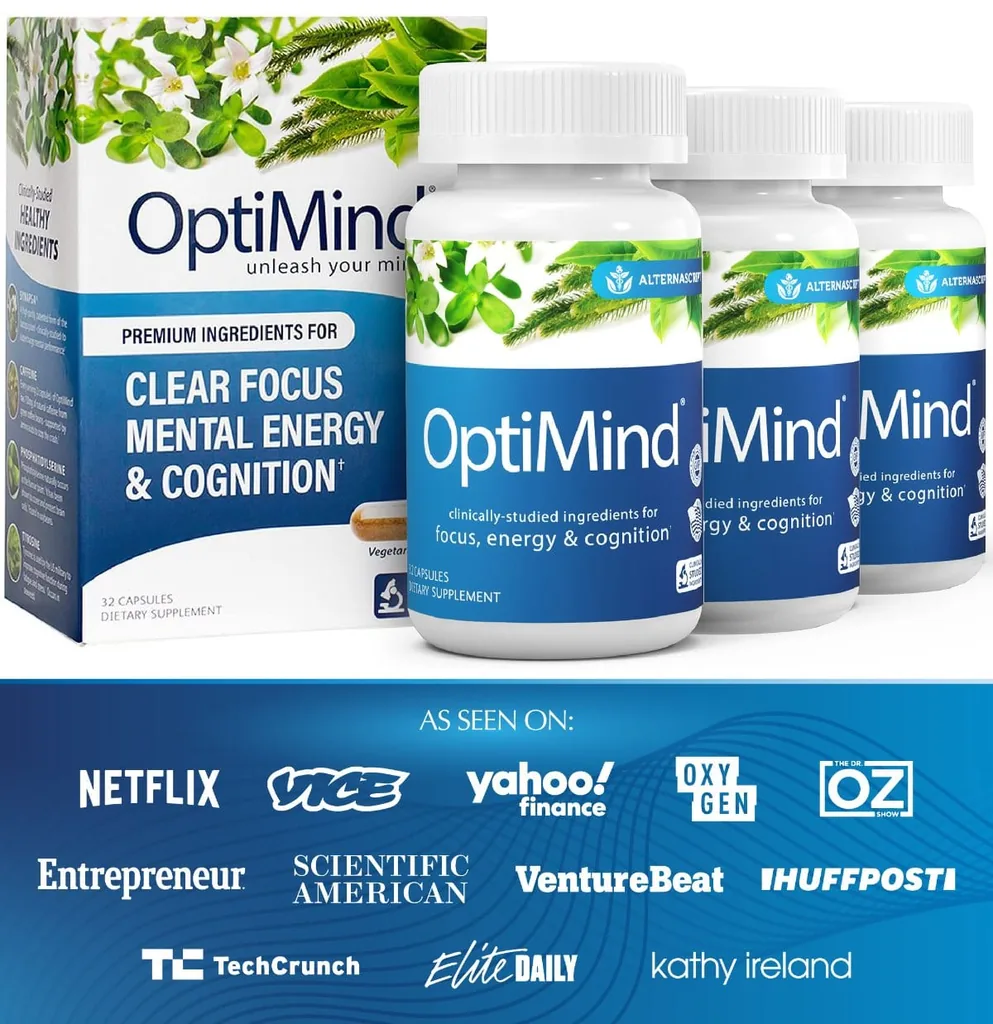
This pack is best for a first trial. It lets you see how your body responds before you buy more. That matters because caffeine affects people differently. Your response also depends on sleep, meals, stress, and how much caffeine you already consume.
The catalog says OptiMind supports focus, mental clarity, healthy information retention, and sustained daily energy. It describes naturally sourced caffeine as part of the energy approach and positions the supplement as an alternative to high-stimulant products that may cause jitters or a crash.
The listed directions say to take 1, 2 capsules daily in the morning with a glass of water. Follow the current product label rather than increasing the amount to push through a poor night of sleep. More is not a shortcut to better recall.
Start with a normal study day instead of an all-night exam session. Take notes on your alertness and focus. Pay attention to the afternoon. If you feel wired, anxious, or unable to sleep, stop and speak with a qualified health professional before trying to adjust the routine.
Use one new supplement at a time. If you add a brain supplement, a new pre-workout, extra coffee, and several vitamins on the same day, you won’t know what caused a benefit or a side effect. One variable gives you a cleaner read.
Students often ask if a natural supplement can replace a prescription stimulant. It shouldn’t be treated as a replacement. Prescription medicines require a clinician’s assessment, while an over-the-counter product has a different role and a different evidence standard.
Do not combine a supplement with prescription medicine without asking your prescriber or pharmacist. This matters even more if you have a heart condition, anxiety, sleep trouble, or another medical issue. Pregnant or nursing people should ask a clinician before use.
The 1-Pack is the sensible choice when you want to test fit before making a longer commitment. Keep the trial boring and consistent. That gives you useful information.
OptiMind Pack Comparison: Which Option Fits Your Study Schedule?
Each OptiMind pack contains the same product type, but the right choice depends on how much routine you want to test. The table below compares the packs by use case rather than by hype.
The 3-Pack has the lowest listed cost per bottle, while the 1-Pack has the lowest upfront cost. Those are different forms of value. A lower entry price helps you test fit. A larger pack helps once you already know the routine suits you.
Think about your calendar. A student entering finals may want the 2-Pack or 3-Pack because changing products midweek adds noise. A student who has never used OptiMind may prefer the 1-Pack so the first decision stays small.
Also think about timing. A morning routine is easier to judge than random use before every exam. If you take a caffeinated product late in the day, sleep may suffer. That can leave you less ready for the next class, even if the first few hours felt productive.
For a broader look at how OptiMind positions nootropics for focus and energy, the OptiMind focus and energy overview gives more context on the brand’s approach.
My decision rule is simple: choose the 1-Pack for a first test, the 2-Pack for a longer trial, and the 3-Pack when daily use is already part of your plan.
What to Look For in a Crash-Free Brain Supplement for Students
A crash-free brain supplement for students should have a clear label and a role you can explain. It should not be a cover for missed sleep, missed meals, or a nutrient deficiency. OptiMind’s focus and cognitive function collection provides additional context on how the brand presents products for sustained energy and focus.
Start with the cause of the fog
Brain fog can feel like slow recall, poor attention, mental fatigue, or trouble holding a lecture in mind. It can hurt note-taking and exam prep, but the feeling alone doesn’t tell you why it is happening.
Low iron and low vitamin B12 are common concerns to discuss with a clinician when fatigue or poor focus persists. Magnesium may also come up when sleep quality, muscle symptoms, or diet raise questions. Ginkgo biloba and Bacopa are often discussed for memory and attention, but “natural” does not mean risk-free or proven for every student.
Testing matters. Ask a health professional which tests fit your symptoms instead of ordering a large stack on your own. Iron and B12 need different assessments, and a normal result changes the next step.
Read the stimulant details
Look for the caffeine source and amount. If the label hides stimulant details behind a blend, you can’t judge how it fits with coffee, tea, energy drinks, or prescription medicine.
Some products pair caffeine with L-theanine, an amino acid associated with a calmer alert state. That pairing may sound appealing, but the label still needs to show what you’re taking. Avoid stacking several stimulating products during exam week.
Prescription stimulants require medical supervision. A supplement cannot diagnose attention-deficit/hyperactivity disorder, and it should not be used to copy the effect of someone else’s prescription. If focus problems affect school for months, ask a qualified clinician for an assessment.
Don’t ignore the gut
Digestion affects how your body receives nutrients. A poor diet, ongoing stomach symptoms, or a medication that changes absorption can leave you tired before you open a book. Digestive enzymes are not a universal fix, so use them only when a clinician identifies a reason.
Gut health also depends on daily food choices. Regular meals with protein, fiber, and fluids give your body raw material for energy. Students with ongoing bloating, diarrhea, pain, or weight change should seek medical advice rather than treating those symptoms with a random supplement. A guide comparing probiotic supplement choices for gut health can help you understand the questions to ask, such as strain details and safety.
Build the anti-crash routine first
A supplement works within a day. Your habits shape the whole week. Start your study block after a meal that won’t leave you hungry twenty minutes later. Keep water within reach. Take a short walk between long blocks.
- Keep your wake time fairly steady, even during exam prep.
- Use bright light and movement early in the day.
- Break a long study block into smaller rounds with a clear task.
- Stop caffeine early enough to protect sleep.
- Review one week of notes before adding another supplement.
These basics also make a product easier to judge. If your sleep changes every night, your results will change too.
Look for ingredient transparency
The research set behind this article found a clear transparency gap. Two premium nootropic products were identified, but only one had extracted key ingredient data. Fields for stimulant type, crash-free mechanism, best use, and starting price were empty for both products in that dataset.
That result does not prove that OptiMind lacks active ingredients. It shows that the extracted research did not capture them. The current product page and label should be your first check. OptiMind’s own ingredient explanation for its nootropic formula gives students a place to review the brand’s stated ingredient roles before deciding.
Look for exact ingredient names, serving directions, warnings, and a way to contact the maker through its site. Be wary of claims that promise instant memory or guaranteed grades. A supplement can support a routine. It can’t replace learning the material.
Finally, keep a simple log. Write down the time, amount, caffeine taken elsewhere, focus score, and sleep that night. Stop if you have troubling symptoms. Ask a clinician or pharmacist about interactions before restarting.
FAQ: Crash-Free Brain Supplements for Students
What is the best crash free brain supplement for students?
The best choice depends on your tolerance, label review, and study schedule. Among the listed OptiMind options, the 3-Pack fits students who already plan daily use, while the 1-Pack suits a first trial. Check caffeine sources and ask a clinician about persistent brain fog before relying on any supplement.
Can a brain supplement stop an energy crash?
A brain supplement may support steadier alertness, but it can’t guarantee that you won’t crash. Sleep loss, long gaps between meals, excess caffeine, stress, and nutrient problems can all cause fatigue. Use the label’s directions, track your response, and avoid taking more to compensate for poor sleep.
Should students take iron or vitamin B12 for brain fog?
Students should take iron or vitamin B12 for brain fog only when a clinician finds a need or gives clear advice. Both nutrients can matter when deficient, but guessing can lead to the wrong dose or missed diagnosis. Ask which test fits your symptoms, diet, medicines, and health history.
Is caffeine safe before studying?
Caffeine may help alertness, but safety depends on the person and the total amount consumed. Count coffee, tea, energy drinks, and supplements together. Avoid late use if it harms sleep. Students with heart symptoms, anxiety, pregnancy, or medication concerns should ask a clinician before using a caffeinated nootropic.
Can students take supplements with prescription stimulants?
Students should not combine a supplement with a prescription stimulant without medical advice. Extra caffeine or other active ingredients may change side effects or sleep. Tell your prescriber or pharmacist the exact product and serving you plan to use. Never share or borrow prescription medicine for schoolwork.
Conclusion
For most committed daily users, the OptiMind® Brain Supplement , 3-Pack is the strongest fit because it provides the longest supply. If you’re new to nootropics, start with the 1-Pack, follow the label, and track focus plus sleep for a normal study week. That small test gives you better information than a last-minute exam gamble.
These statements have not been evaluated by the Food and Drug Administration. This product is not intended to diagnose, treat, cure, or prevent any disease.